Porque o nosso dia começa e termina no quarto
Cada vez mais o conforto é fundamental para as pessoas, como tal, é cada vez mais normal, que cada pessoa obter por criar um templo no seu quarto para que desta forma, e após um dia cansativo, tenhamos onde nos recolher para relaxar e descansar.
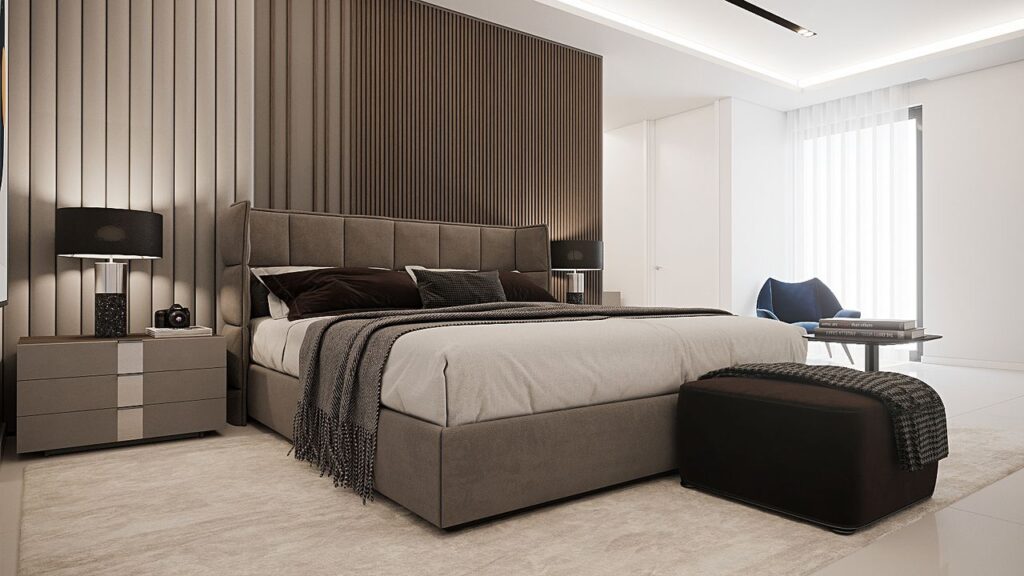
Pode até parecer um cliché, mas já pensaram que o nosso quarto é onde começamos e acabamos o nosso dia? Como seria se ele fosse algo com o qual não nos identificamos? Acordar num espaço em que não nos sentimos bem, pode ser, logo, um motivo para que não nos sintamos bem ao longo doa dia, e como tal, é importante apostar numa decoração de quarto que nos faça sentir bem.
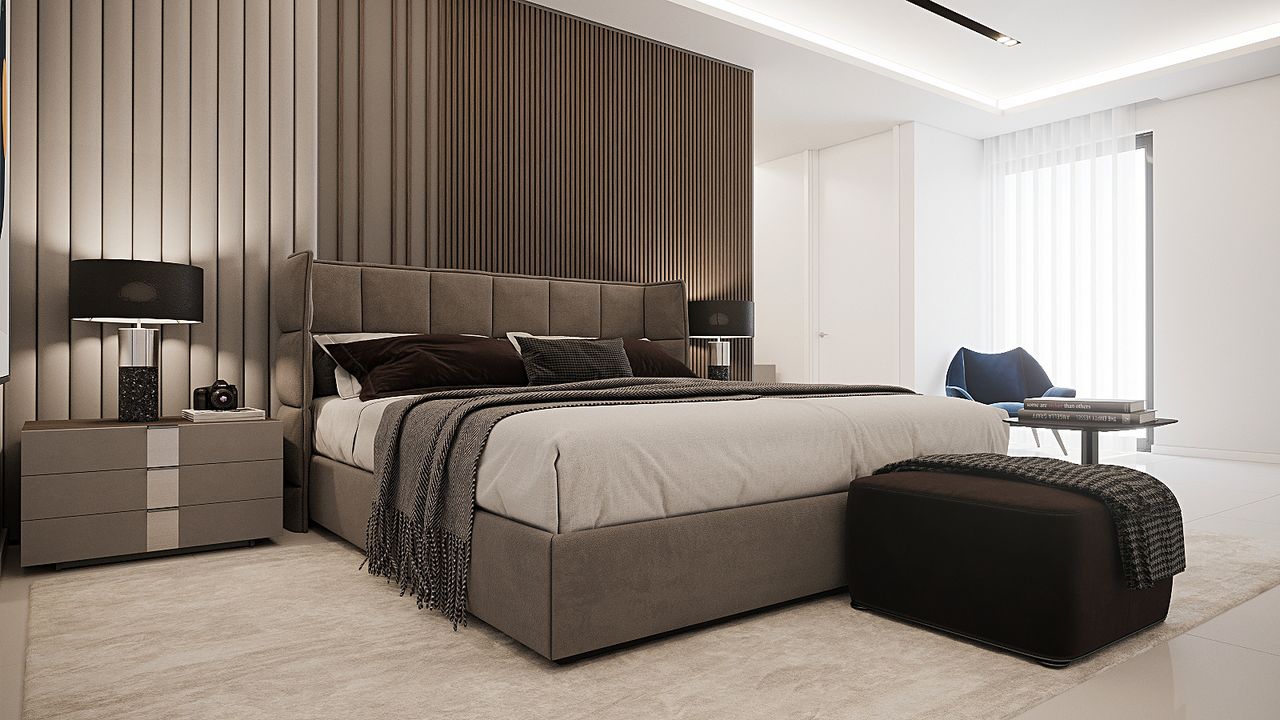
Hoje em dia, quando se fala em mobiliário para o quarto, mais uma vez, as preferências vão para as linhas simples e minimalistas, dando preferência à funcionalidade e ao aproveitamento máximo de todos os espaço. Como tal, tudo é bem pensado e os objetos de decoração são muito poucos.
Tal como acontece em quase todas as outras divisões, a luminosidade desempenha um papel muito importante, como tal, além de pontos de entrada de luz, apostar em cores claras como o branco é fundamental. O uso de espelhos também é uma boa opção para ampliar a luz natural ou artificial. Se eventualmente a luz natural não for suficiente, então não hesitem em apostar em candeeiros.
Se eventualmente pretendem dar um toque mais pessoal, podem apostar em dar um toque de cor, através de, alguns acessórios, como almofadas, ou vasos com flores naturais, ou artificieis. Outra opção de tornar o espaço mais pessoal, podem colocar algumas fotografias ou quadros pendurados na parede.
A cama também vai ser o elemento principal da divisão, e como tal deve ser confortável sem esquecer o designe. O uso de roupa de cama apelativa, com grafismos modernos vão ajudar a criar um toque mais colorido e diversificado.
Como sempre, estas são apenas algumas sugestões de decoração, tal como foi referido, cada pessoa deve decorar este espaço especial da maneira que a faça, sentir bem.