PortuguêsEnglishDeutsch
Edition 729
2012-05-17 > 2012-05-23
Tel.: 282 418 881
Password Forgotten?RegisterFree ClassifiedsArticlesWeekly FeatureReportInterviewNewsOpinionRestaurantsThe AlgarveDirectoryHelp
HomeArticlesReportDiscover the Via Algarviana (III/IV)

Kit and equipment ‘musts’

Discover the Via Algarviana (III/IV)

Before every leg of the journey, you should do some stretches and resistance exercises. It’s essential to keep your body in balance, as well as your mind – and for this, you should always put five to 15 minutes aside every morning to simply appreciate Nature. In spring, the cuckoos, hoopoe and nightingales, help you along with their songs. If you can take this advice on board, and feel in good physical condition, you should try the Via Algarviana yourself. Enjoy the journey, have a wonderful walk!
Uwe Heitkamp, Edition 574 ( 7 May 2009), No Comments »
Uwe Heitkamp

Diary entry – Barranco de Velho:

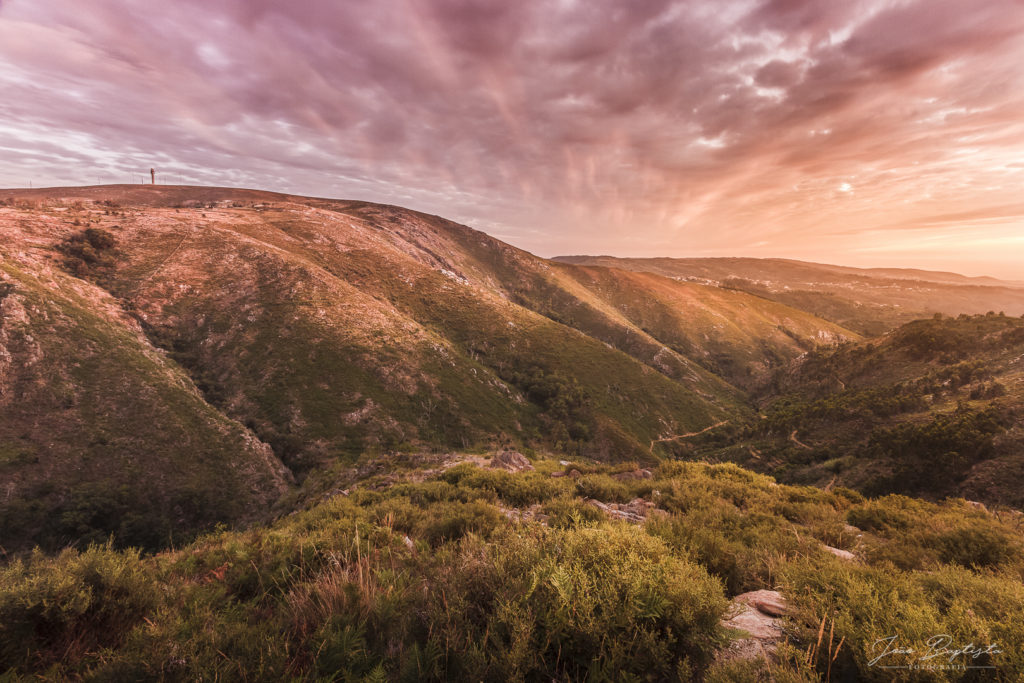
After five days walking, I can really feel my legs – every part of them: the inside thighs, muscles, even the tendons. I feel them each step that I climb up a hill – from the bottom to the top, not just the first time, nor the second or third, but every single time. Going up, and then going down, is tiring. It makes you sweat and demands a lot of psychological strength. At first, going down might seem easy – but it isn’t. It requires the strength of ‘other’ muscles. The tibia and knees hurt. The first 100 kilometres are behind us. Now, it has become more of a stumble. The way is up and down – under the torrid heat of the sun. It’s always such a relief when the weather brings with it a light breeze. A north-easterly one is refreshing. To the left and right here, one can see there have been fires in the past. Cistus bushes are growing in abundance, narrowing pathways – and each time we see dead trees, we can appreciate that this land is dry; that it’s too hot here – and that soon this will be another desert, empty of human life, as more and more people flee the countryside for the towns. The interior is being abandoned. Left empty. And town-folk have forgotten about life in communion with Nature.

Diary entry: Monchique

The start of the climb up to Picota. I’ve now walked 200 kilometres – and my hiking companions have fallen by the wayside. Just eight more kilometres. The Odelouca’s behind me now. The climb goes from 100 to 800 metres upwards. It’s Day 10. I finally get used to the going and reach the summit. Below a high-tension electricity pylon, carrying 400.000 volts, there are 12 beehives. The bees fly to attack me. They zoom straight at my face like Kamikaze pilots. I pull up my jumper to protect my head and neck. It’s the second time in a day that I’ve been bitten. Walkers of the Via Algarviana in springtime have to take great care, and come armed with anti-allergic medication from the pharmacy. In the case of bees, it’s good to hum like a bee when they come at you. It calms them down. When you get blisters on your heels (from trainers, particularly), pricking them with a needle threaded with cotton helps for a little while. During the night, the liquid seeps out, and the sore heals itself. And if you can’t live without coffee or cigarettes and eat sporadically and not that well, you’ll feel permanently exhausted after a few days. Too much coffee and nicotine keep the mind and body in a constant state of alert – particularly at night, and without really deep sleep, it’s impossible to replenish the energy that you’ve expended during the day. The result: psychological collapse. It’s a shame – but from here onwards, I walk alone.

Diary entry: Barão de São João

Day 12. It’s raining. It’s really true when they say that during a walk, you face everything. Your boots have to be snug around your ankles, so as to avoid the likelihood of sprains. Whoever sets out on the Via Algarviana has 14 consecutive days of walking ahead of them. They shouldn’t carry more than 10 kilos in their knapsack – and, they should bring with them adequate protection against the sun: a straw hat, a cap, a towel, a hoodie and sun lotion. For protection against rain, you need a waterproof jacket and trousers – and also in the knapsack, you should carry a First Aid kit, with plasters, disinfectant (e.g. Betadine), gauzes, bandages, needles, magnifying glass, a mirror, elastic bandages, cremes and balms for one’s muscles (eg. Voltaren). Another important prerequisite is a lantern – and a small compass (vital for walking at night!) A stick is also very helpful when you’re going up and downhill – and a camera and recorder will capture moments that would otherwise be forgotten. Paper and pen, a change of clothes: one extra pair of trousers is enough, three t-shirts, a sponge bag, flannel, a good book (one that you always wanted to read) and some good maps of the Via Algarviana. Any walker can download the maps from the walk’s website www.viaalgarviana.org . For the bad days, always carry with you glucose and enough water (at least 1.5 litres). I choose to take also walnuts, almonds, raisins, coconut flakes, pine nuts etc. and eat fruit. To walk the Via Algarviana, you have to eat well, regularly and peacefully. Drink a hot mint tea – or a mixture of Bela Luisa and camomile, or other aromatic herbs – which help the walker maintain good physical condition. Forget coffee, cigarettes and beer. I’ve got nothing against a glass of wine in the evening – but, just a glass, not the whole bottle.

Related Articles
Highlights & Low points
Uwe Heitkamp, Edition 575 (14 May 2009), No Comments »
Where to stay the night – what to eat?
Uwe Heitkamp, Edition 573 (30 Apr 2009), No Comments »
Where to begin?
Uwe Heitkamp, Edition 572 (23 Apr 2009), No Comments »
Comments
Login or register so that you can make a comment.No comments. Be the first to make a comment.