Sugestões de Mobiliário, Móveis Online
Olá leitores do blog “Algarve 123”, sejam bem-vindos ao primeiro de muitos (assim eu espero) posts que por aqui vos irei escrever.
Hoje e para iniciar bem o mesmo, irei vos dar algumas sugestões de mobiliário que podem encontrar no site da Móveis Online.
Se ainda não conhecem este site, a Móveis Online é uma loja que vende exclusivamente online, mobiliário e artigos de decoração e faz envios para todo o mundo!
Tem uma panóplia de boas e bonitas opções para todas as divisões da nossa casa.

Quero começar por partilhar convosco, quartos de casal que é talvez, a minha divisão favorita da casa. Escolhi o “quarto de casal Nila I” e vocês já se vão aperceber o porquê da minha escolha!
Esta é uma opção lindíssima e uma segura aposta para pessoas com um gosto especial por mobília de quarto.
É composto por cama com estrado, duas mesinhas de cabeceira, toucador, espelho e a cadeira.
No site temos a opção de mudar a cor do revestimento da cadeira que é velude e temos as opções de cor: azul (igual ao da imagem que vos mosto), rosado e verde.
Também é possível a mudança do revestimento da cabeceira e das madeiras e seus acabamentos.
Este conjunto de quarto tem o valor de 3.890€.
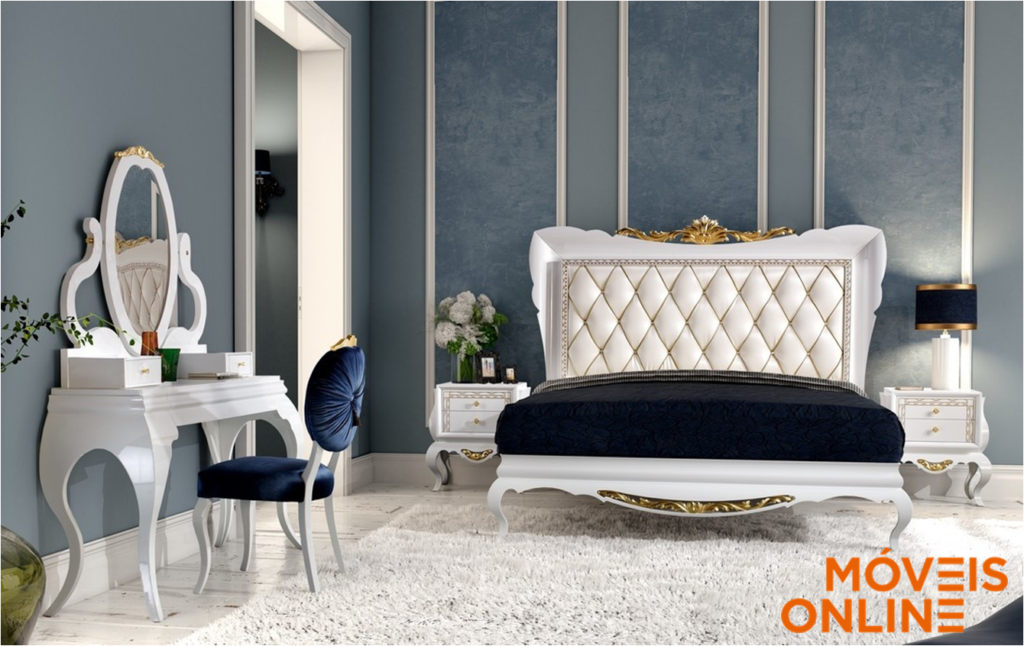
De seguida, quero partilhar uma sugestão de sala de jantar. Esta que conquistou o meu coração assim que a vi e, para minha agradável surpresa vai de encontro à mobília do quarto que vos mostrei em cima.
Esta sala “Nila” é composta por mesa extensível, quatro cadeiras, dois cadeirões, aparador e moldura.
Esta sugestão de sala de jantar é das mais carotas do site, não que não valha o preço, mas a verdade é que neste post eu quero partilhar o melhor do melhor, e o que mais gostei de ver na Móveis Online sem “olhar” de todo a valores.
Salas de jantar a partir dos 1.499€.
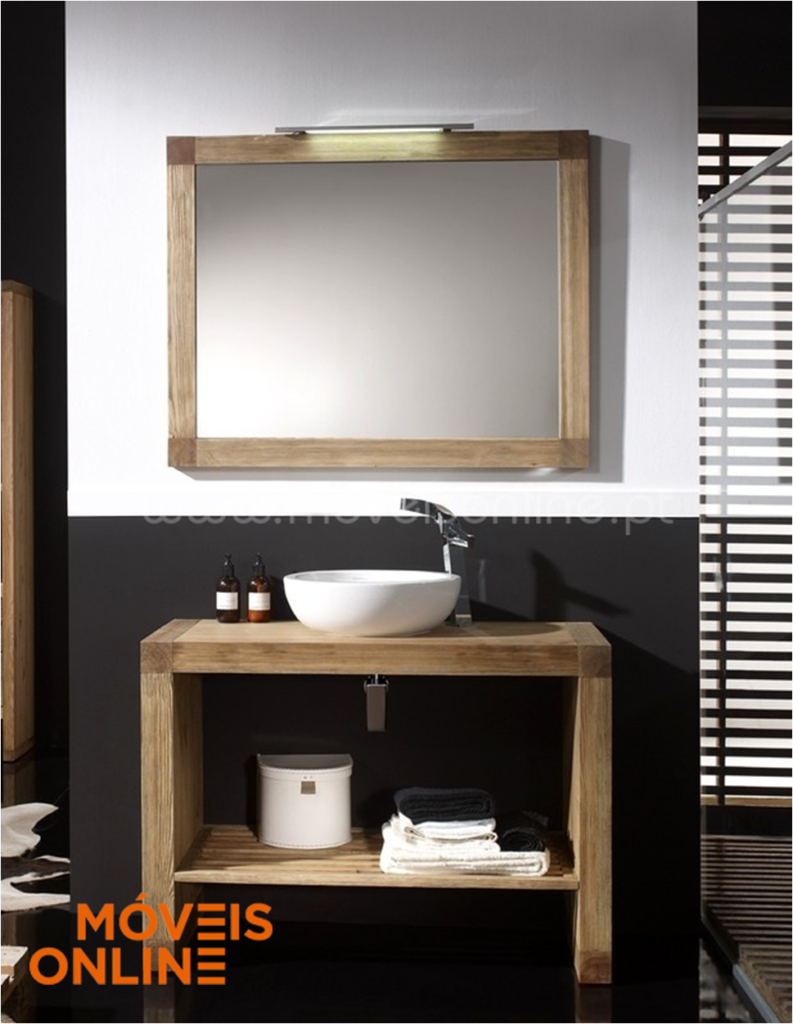
Para a casa de banho, vi este móvel “Nordico 2” com uma linha estética bem simples e que na minha opinião se encaixará bem em vários estilos de casa.
Para completar, na Móveis Online também encontramos vários modelos de móveis para arrumação. Tem o valor de 875€ e é composto pelo móvel com lavatório e o espelho com iluminação.
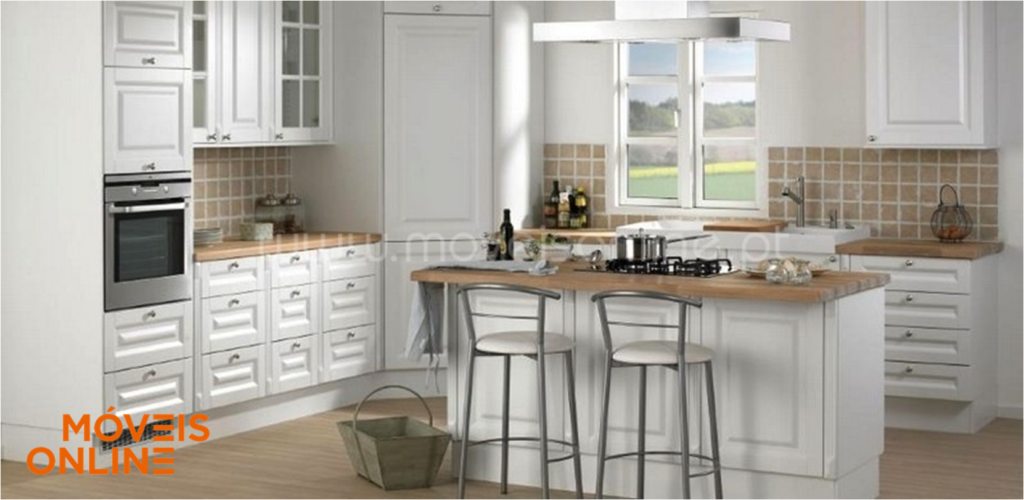
A nível de cozinha a oferta é tão grande que chega a ser complicado para mim escolher apenas uma para partilhar convosco, mas, quem sabe no futuro, não vos escreva um post com o meu top 5 de cozinhas favoritas da Móveis Online. Gostavam de ver/ler?
Hoje, decidi partilhar convosco a “Cozinhas Geres”, que captou a minha atenção por todos os pormenores nos móveis assim como a ilha onde está inserida a placa de fogão.
No caso das cozinhas não vos sei dizer preços, pois tem que ser pedido um orçamento, que é totalmente gratuito.
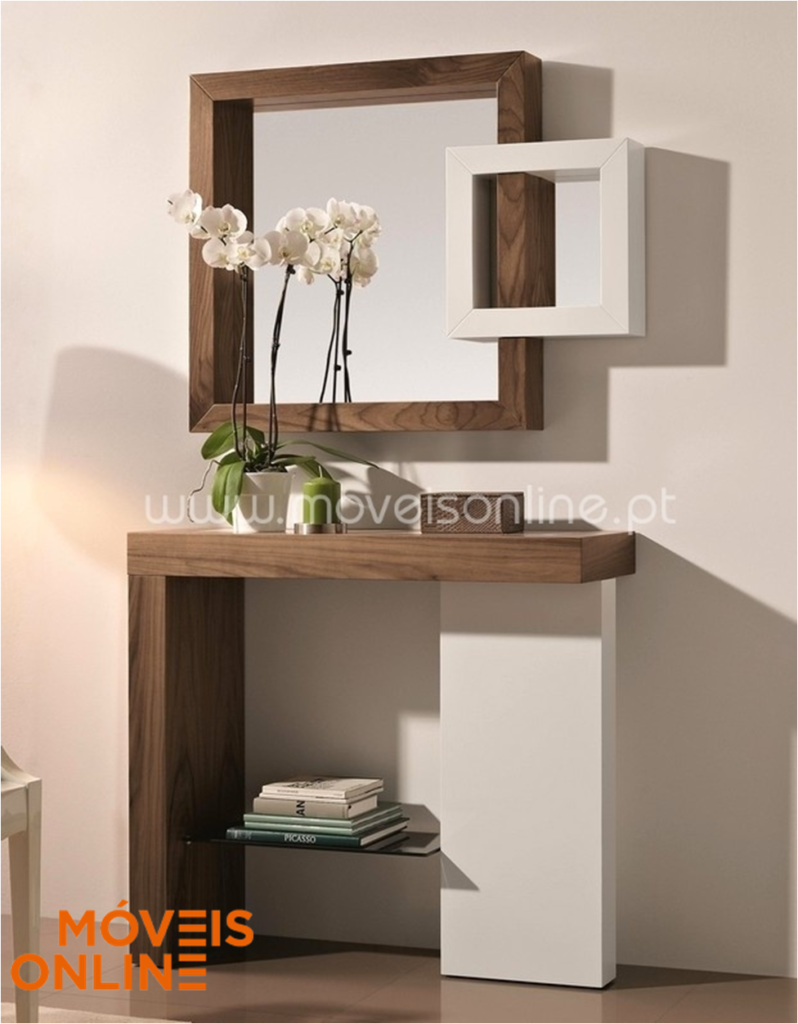
Para finalizar este post que já vai um pouco longo, quero partilhar convosco uma consola com espelho para colocar no nosso hall de entrada.
O site tem bonitas e variadas sugestões, mas eu quis partilhar convosco a “Consola e Espelho Love” de linhas mais retas e com a combinação de duas cores: castanho e branco, com a opção de cores diferentes.
Tem o valor de 530€ e foi uma peça que realmente gostei muito!
Como poderam ver neste primeiro post, a oferta na Móveis Online é grande e muito diversificada. Cada categoria tem dezenas senão mesmo, centenas de opções, desde mais antigas às mais modernas, passando por pormenores retos, aqueles mais trabalhados. Tem mobiliário lindíssimo.
Podem contar que irão ver mais posts deste gênero por aqui!
E foi este o post de hoje, eu espero muito que tenham gostado destas minhas opções, e conto convosco para a próxima.
Em caso de dúvida sobre algum móvel, não hesitem em entrar em contacto através do e-mail ou contacto telefónico disponível no site.
Que estilo de mobiliário vocês mais apreciam? Moderno ou Clássico?